Meditative Art of Lines 2
Transforming Art-making Into a Form of Self-care and
Personal Development
People, including artists, create works that might appear "simple" for a
variety of complex and meaningful reasons. This approach, far from
being a lack of skill or effort, is often a deliberate artistic choice rooted
in specific aesthetic, conceptual, and historical contexts.
Here's a breakdown of some of the key reasons:
•
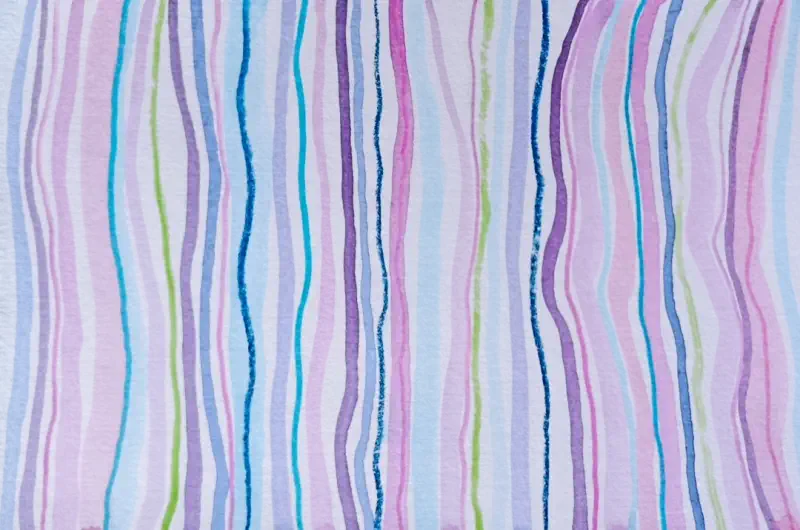
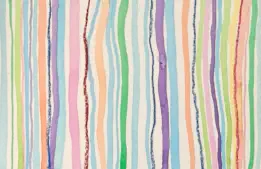
Focus on the Fundamentals: Many artists choose to strip away
complex subjects to focus on the core elements of art itself: colour,
line, shape, texture, and composition. In a work like the above
painting, the primary subject is the interplay of colour and line. The
artist is exploring how different colours interact, how lines create
rhythm and movement, and how different media (watercolour and a
finer line) can be combined to create texture. This focus allows for a
deeper appreciation of these fundamental building blocks of visual
language.
•
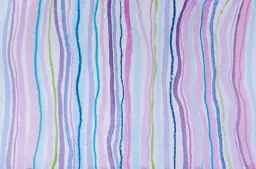
Emotional and Experiential Expression: Abstract or simple forms
are often used to convey emotions, moods, or experiences that are
difficult to represent realistically. The rhythmic, flowing lines and
soft colors in the painting you shared might evoke a sense of calm,
peace, or gentle movement. The work isn't about depicting a
specific object but about creating a feeling or an atmosphere for
the viewer to experience. This approach bypasses the intellectual
interpretation of a subject and goes directly to a more visceral or
emotional response.
•
Conceptual and Philosophical Ideas: Simple paintings can be
highly conceptual. They might be an exploration of a specific idea,
such as the nature of randomness versus order, the passage of time,
or the relationship between different materials. The simplicity
allows the concept to be the main focus, rather than being
overshadowed by a detailed subject.
•
Rejection of Tradition and Realism: Throughout art history, many
movements have sought to challenge or break from the tradition of
realistic representation. Artists like those in the Abstract
Expressionist, Minimalist, and Colour Field movements pushed the
boundaries of what art could be. They argued that a painting didn't
need to tell a story or represent a recognizable object to be
profound. Instead, the physical presence of the paint on the canvas,
the scale of the work, and the sensory experience of viewing it
became the central concerns. This is a crucial historical context for
understanding why an artist might "just" paint lines or blocks of
color.
•
Accessibility and Universality: A simple, abstract work can be more
universally accessible because it doesn't rely on cultural knowledge
or a specific narrative to be understood. Viewers from different
backgrounds can connect with the piece on a purely visual and
emotional level, creating a more personal and direct connection
with the artwork.
In essence, calling such a work a "painting" is a recognition that the
artist has used paint and other media to create a finished piece of art,
regardless of whether it depicts a recognizable subject. The value lies
not in the complexity of the image, but in the deliberate choices made
by the artist and the meaning—be it aesthetic, emotional, or
conceptual—that those choices convey.
Chinese Version (中文版)
Link:
Rhythmic Lines & Harmonious Hues
Meditative Art of Lines 1
Meditative Art of Lines 2
Abstract Landscape Painting
A Moment of Presence




Meditative Art of Lines 1
Transforming Art-making Into a Form of Self-
care and Personal Development
People, including artists, create works that might
appear "simple" for a variety of complex and
meaningful reasons. This approach, far from being a
lack of skill or effort, is often a deliberate artistic
choice rooted in specific aesthetic, conceptual, and
historical contexts.
Here's a breakdown of some of the key reasons:
•
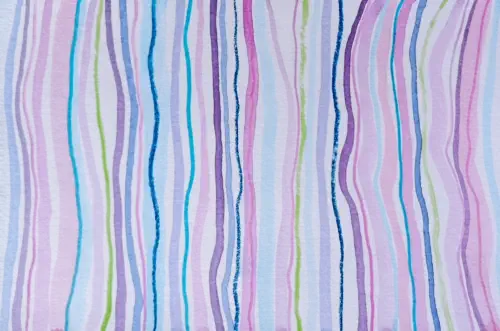
Focus on the Fundamentals: Many artists
choose to strip away complex subjects to focus
on the core elements of art itself: colour, line,
shape, texture, and composition. In a work like
the above painting, the primary subject is the
interplay of colour and line. The artist is
exploring how different colours interact, how
lines create rhythm and movement, and how
different media (watercolour and a finer line) can
be combined to create texture. This focus allows
for a deeper appreciation of these fundamental
building blocks of visual language.
•
Emotional and Experiential Expression:
Abstract or simple forms are often used to
convey emotions, moods, or experiences that
are difficult to represent realistically. The
rhythmic, flowing lines and soft colours in the
painting you shared might evoke a sense of
calm, peace, or gentle movement. The work
isn't about depicting a specific object but about
creating a feeling or an atmosphere for the
viewer to experience. This approach bypasses
the intellectual interpretation of a subject and
goes directly to a more visceral or emotional
response.
•
Conceptual and Philosophical Ideas: Simple
paintings can be highly conceptual. They might
be an exploration of a specific idea, such as the
nature of randomness versus order, the passage
of time, or the relationship between different
materials. The simplicity allows the concept to
be the main focus, rather than being
overshadowed by a detailed subject.
•
Rejection of Tradition and Realism:
Throughout art history, many movements have
sought to challenge or break from the tradition
of realistic representation. Artists like those in
the Abstract Expressionist, Minimalist, and
Colour Field movements pushed the
boundaries of what art could be. They argued
that a painting didn't need to tell a story or
represent a recognizable object to be profound.
Instead, the physical presence of the paint on
the canvas, the scale of the work, and the
sensory experience of viewing it became the
central concerns. This is a crucial historical
context for understanding why an artist might
"just" paint lines or blocks of colour.
•
Accessibility and Universality: A simple,
abstract work can be more universally
accessible because it doesn't rely on cultural
knowledge or a specific narrative to be
understood. Viewers from different
backgrounds can connect with the piece on a
purely visual and emotional level, creating a
more personal and direct connection with the
artwork.
In essence, calling such a work a "painting" is a
recognition that the artist has used paint and other
media to create a finished piece of art, regardless of
whether it depicts a recognizable subject. The value
lies not in the complexity of the image, but in the
deliberate choices made by the artist and the
meaning—be it aesthetic, emotional, or
conceptual—that those choices convey.
Chinese Version (中文版)
Link:
Rhythmic Lines & Harmonious Hues
Meditative Art of Lines 1
Meditative Art of Lines 2
Abstract Landscape Painting
A Moment of Presence